
When we think of paint, we often imagine the final touch on a living room wall or a fresh coat that revitalizes a building’s exterior. To most of us, paint is about colour, aesthetics, and personal style. But beneath the surface, the paint industry is one of the most critical and far-reaching players in the global economy—impacting everything from home environments to massive industrial infrastructure.
From the walls of our homes to the floors of high-traffic warehouses, from protective coatings on bridges to anti-bacterial paints in hospitals, paint manufacturers do more than just add colour to our world. They create coatings that preserve, protect, and perform essential functions across nearly every sector of modern life.
In this article, we’ll explore why paint manufacturers matter far more than most people realise, highlighting their unseen roles in construction, industry, health, sustainability, and even safety.
🎨 The Dual Purpose of Paint: Aesthetics and Protection
Paint’s visual appeal is obvious—but its functional role is just as important, if not more so. Every layer of paint applied to a surface does double duty:
✔️ Aesthetic Benefits:
- Enhances beauty and personalisation of spaces
- Defines brand identity in commercial settings
- Improves morale and emotional well-being through colour psychology
✔️ Functional Benefits:
- Shields surfaces from weather, rust, chemicals, and wear
- Provides fire resistance or anti-slip properties
- Acts as a barrier against bacteria, mould, and corrosion
- Extends the lifespan of buildings, machinery, and equipment
Paint is essentially a technology—a high-performance material designed to protect everything it covers, from wood and drywall to steel, plastic, and concrete.
🏠 At Home: Creating Comfort and Wellness
In residential spaces, paint is more than décor. Paint manufacturers are now producing paints with built-in functionalities that improve indoor air quality, support wellness, and enhance safety.
🏡 Innovations in Home Paint:
- Low-VOC or zero-VOC formulas: Reduce harmful emissions and indoor air pollution.
- Anti-bacterial and mould-resistant paints: Ideal for kitchens, bathrooms, and nurseries.
- Odour-neutralising paints: Absorb unpleasant smells and purify the air.
- Thermal-insulating paints: Help regulate indoor temperature and save energy.
These advancements reflect how paint companies are responding to changing consumer values, focusing not just on colour charts but also on health, sustainability, and well-being.
🏢 In Industry: Enhancing Durability and Safety
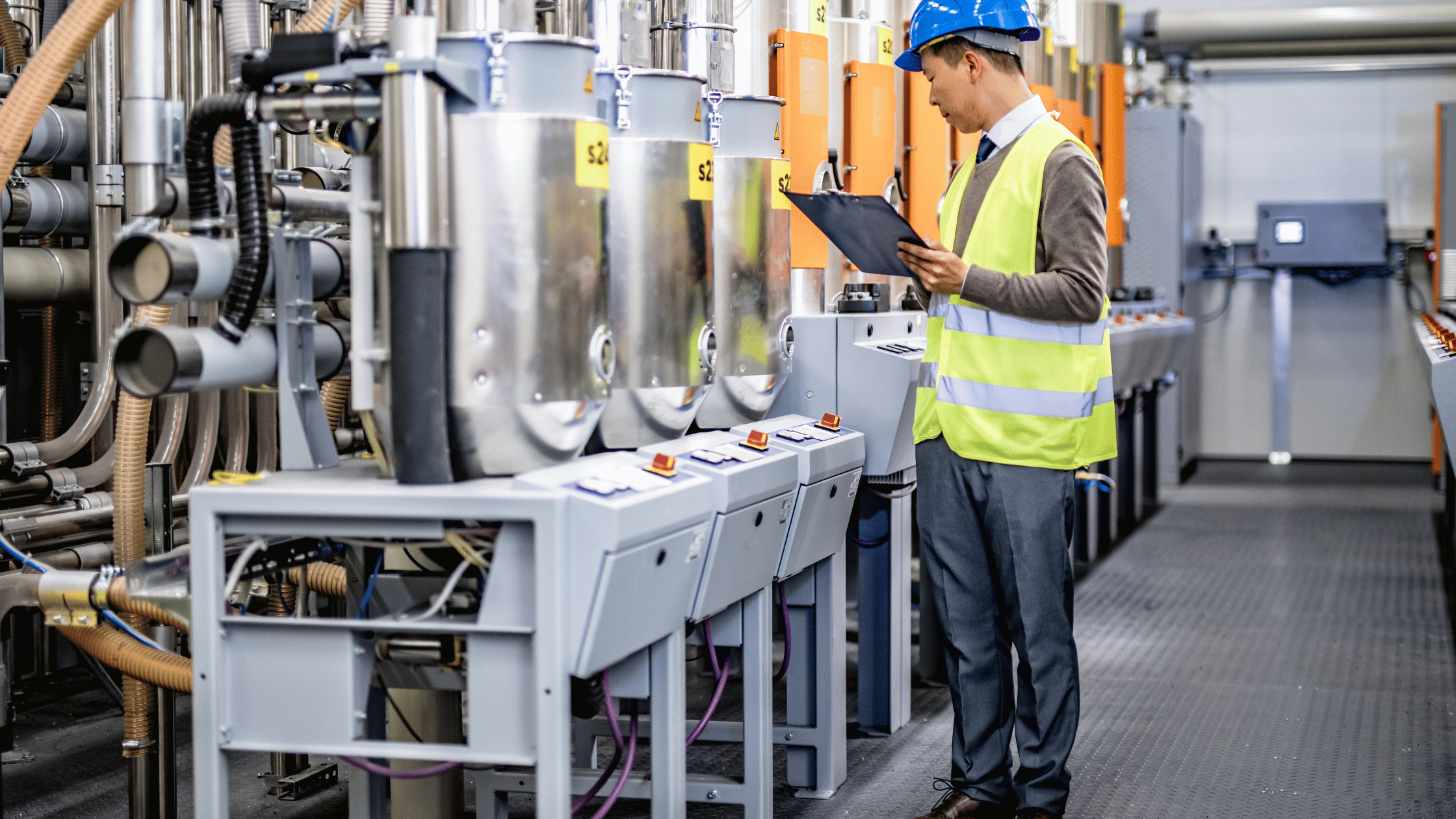
Step into any factory, warehouse, or transportation hub, and you’ll see paint playing a crucial role behind the scenes. In these high-demand environments, the right coating is essential for operational efficiency, asset longevity, and regulatory compliance.
🏭 Key Industrial Applications:
- Anti-corrosion coatings on pipelines, metal frameworks, and equipment
- Epoxy floor coatings in warehouses for durability and safety
- Heat-resistant paints in manufacturing plants and refineries
- Reflective and safety colours for zones, barriers, and equipment marking
- Chemical-resistant coatings in laboratories or clean rooms
Without these tailored formulations, industrial assets would degrade quickly—resulting in higher maintenance costs, safety hazards, and shorter lifespans for infrastructure.
🌉 Infrastructure and Civil Projects: The First Line of Defense
Paint is a silent guardian of public infrastructure. Bridges, highways, tunnels, and railways depend on high-performance protective coatings to withstand the elements and environmental pressures.
🛡️ What Paint Does in Infrastructure:
- Prevents rust and corrosion on exposed steel and metal
- Adds visibility through bright and durable markings
- Ensures weather resistance against moisture, UV rays, and pollution
- Enables longer intervals between maintenance, saving public funds
Major paint manufacturers invest in research and development to meet the stringent requirements of civil engineering projects—proving that paint is more than an afterthought; it’s an essential construction component.
🏥 In Healthcare: Promoting Cleanliness and Hygiene
In hospitals, clinics, and labs, walls and surfaces must do more than look clean—they must actively resist the growth of bacteria and fungi. That’s where specialised antimicrobial paints come in.
🧼 Paint in Healthcare Settings:
- Contains silver-ion or zinc-based agents to kill or repel microbes
- Withstands frequent cleaning with harsh disinfectants
- Prevents fungal growth in high-moisture areas
- Meets hygiene compliance standards for healthcare environments
Paint manufacturers play a key role in supporting infection control and patient safety, working closely with health authorities and facility managers.
🌎 Sustainability: Driving Green Innovation
Modern paint manufacturers are not just protecting structures—they’re also focused on protecting the planet. Through eco-conscious materials, sustainable production methods, and energy-saving coatings, the industry is evolving to meet ESG (Environmental, Social, Governance) standards.
♻️ Eco-Friendly Contributions:
- Development of water-based, non-toxic paints
- Recyclable packaging and reduced plastic use
- Solar-reflective coatings that lower indoor temperatures and reduce energy consumption
- Paints that support LEED certification for green buildings
By reducing environmental impact across the lifecycle of a product, paint companies are helping construct a more sustainable future.
🧠 The Innovation Behind the Scenes: R&D and Technology
Behind every can of paint is a team of chemists, engineers, and materials scientists working to improve performance, efficiency, and versatility.
Areas of Ongoing Innovation:
- Self-cleaning paints using nano-coating technology
- Color-changing coatings that react to temperature or light
- Spray-on solar cells and energy-harvesting coatings
- Integration of AI and data analytics to monitor paint degradation in smart buildings
These developments highlight how paint manufacturers are evolving into technology providers, with capabilities that go far beyond what meets the eye.
🧰 Paint as Part of Modern Problem Solving
In everything from urban planning to disaster preparedness, paint has a role to play:
- Anti-graffiti coatings to protect public spaces
- Intumescent fireproof paints in high-rise buildings
- Hydrophobic coatings for flood-resistant construction
- Road safety paints that improve visibility and reduce accidents
These innovations showcase the real-world impact of paint beyond traditional walls and décor—touching nearly every part of daily life.
✅ Conclusion: The Hidden Power of Paint
It’s easy to overlook paint as just another finishing material. But as we’ve explored, paint manufacturers are at the center of innovation, protection, and progress in modern society. From homes to hospitals, warehouses to wind turbines, paint plays an essential role in making our environments safer, cleaner, more efficient, and more beautiful.
So the next time you choose a wall color or walk across a polished warehouse floor, take a moment to appreciate the science, strategy, and societal benefit behind that seemingly simple layer. Paint manufacturers aren’t just adding color to our lives—they’re building the protective skin of the world we live in.